
EPISODE 54
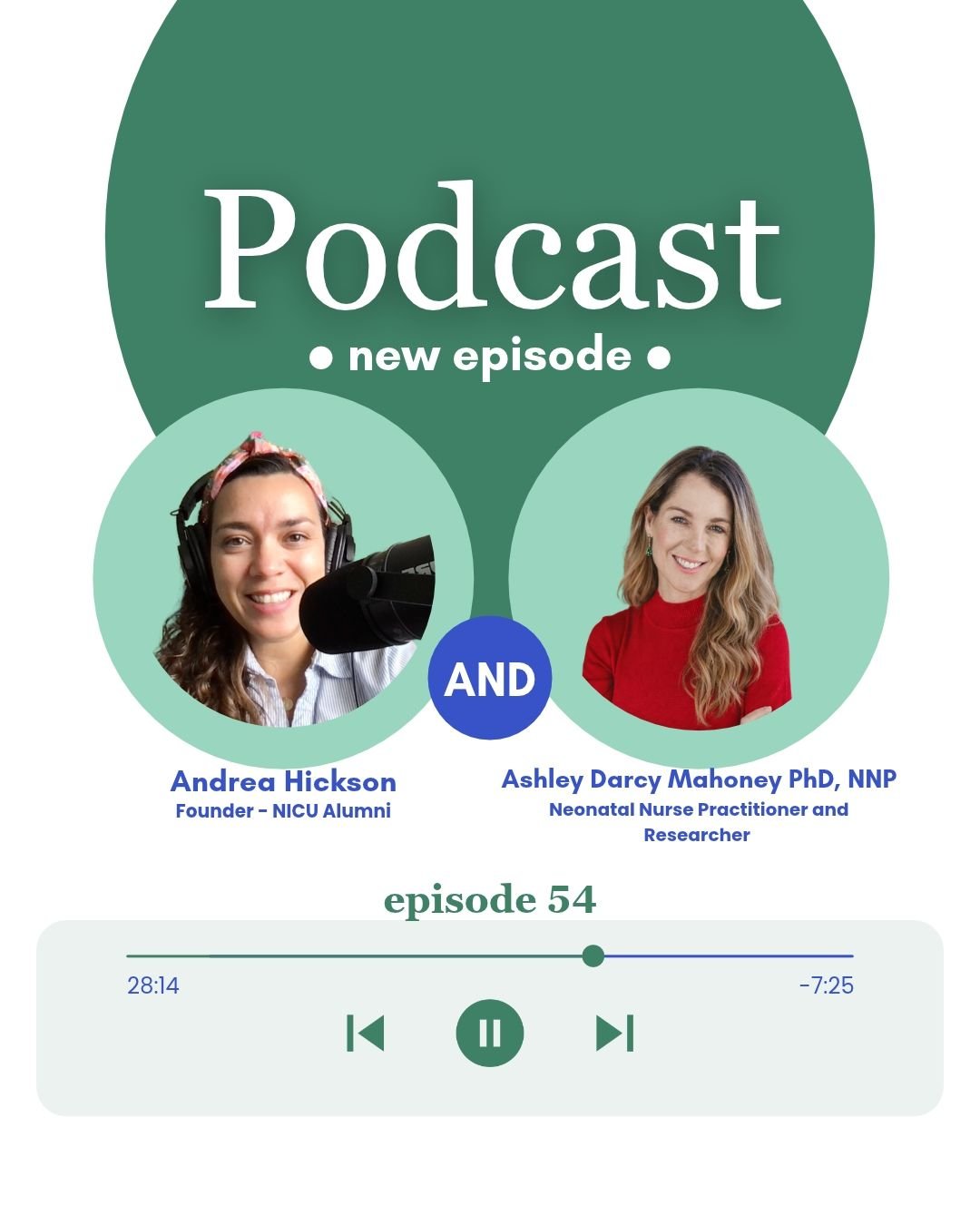
You made it home from the NICU! Now what? Dr. Ashley Darcy Mahoney walks us through the transition home, why early language matters so much for brain development, and simple, everyday ways to interact with your baby and advocate for them as they grow.
If you've ever felt silly narrating your day to a baby who isn't talking back yet, this episode is for you. Spoiler: it's working!
Ashley is a board-certified neonatal nurse practitioner, a Fellow of the American Academy of Nursing, and a professor at the George Washington University School of Nursing and Pediatrics. She still cares for babies in the NICU, and her research looks at what happens after families go home: how early experiences and caregiver engagement shape a child's language and brain development over time.
Quick Notes from the Episode:
Happy, thriving, and still worth watching:
Most NICU grads grow up to say they're happy with their lives! That's what the research shows.
Happiness doesn't mean there aren't challenges. Some common ones: attention, executive function, self-regulation, and speech and language delays.
These aren't always obvious right away. Differences may show up in toddlerhood or once teachers start noticing in school.
Knowing what to look for is what helps identify these things earlier.
You are your baby's first and best teacher
Your everyday interactions make a huge difference in how your baby develops. Talking with your baby, responding to their cues, and practicing "serve and return" (that back-and-forth exchange) are very effective forms of support.
Ashley calls these modifiable factors, which just means things you can control. After the loss of control so many of us felt in the NICU, that's a big deal!
Talking with your baby sounds so simple. But it can feel strange when your baby isn't smiling or cooing back yet. Practical ways to do it:
Narrating your day
Reading
Singing
Even when you feel like you're talking to the wall, you're not! Your baby's brain is building connections every time you engage.
The transition home
First step: establish your medical home. This doesn’t mean your actual living space, it means: find your new team. Someone such as your baby’s pediatrician or pediatric nurse practitioner.
Ask about support programs you may qualify for, like nurse home visiting, Early Intervention, and Early Head Start. NICUs don't always refer families to these, so it's worth asking!
Talk With Me Baby and Háblame Bebé
Both programs were built on the premise that early language exposure shapes brain development, and knowing your baby's developmental milestones helps you act early.
Háblame Bebé is a free app that supports Spanish-speaking families.
When it comes to bilingualism, have pride in your home language. Speaking your home language has a big impact on your baby’s development.
When to bring up development with your pediatrician
If your baby was born early at all, mention it, even late preterm babies (34 to 37 weeks) who never went to the NICU.
Ashley's suggested script: "Everything looks good right now, but our baby was born early. When should we pay closer attention, and should we come in more often?"
You're also their first and best advocate
Developmental pediatricians are great connectors to resources in your community. Waits for evaluations like autism or ADHD testing can run 6 to 12 months, so get connected early.
When your child starts pre-K, meet with the guidance counselor, school psychologist, or assistant principal and let them know your child was born early. Many schools have an education advocate, and most parents don't learn about it until they're deep into the 504 or IEP process.
Want to learn more about developmental pediatricians and how they can support your NICU grad? Check out this helpful article from the NICU Alumni Resource Library.
NICU Alumni Grad Guide: Resources Ashley Mentioned
Learn the Signs, Act Early, from the CDC, free milestone checklists by age
Háblame Bebé App, free on Apple and Google Play
NICU Alumni’s Early Intervention Guide, a great place to start when learning about Early Intervention
Find Ashley on LinkedIn or follow Háblame Bebé on Instagram!
You have come a long way, and when you were in the NICU you built that tenacity and resolve to support your baby. You can do this too! What's one everyday moment with your baby where you've noticed them responding to your voice?
Bonus Materials: Questions Parents Ask
How can I support my NICU baby's brain development at home?
The everyday stuff counts the most! Talk with your baby, read, sing, narrate your day, and respond to their cues. Ashley says these back-and-forth moments are some of the most powerful supports you can give, even before your baby talks back.
Is it okay to speak two languages to my preemie?
Yes! Being told to stop speaking two languages is a common myth. Speaking your home language doesn't cause language delays, and the natural rhythm of the language you're most fluent in is great for your baby's brain.
My baby was born at 36 weeks and never went to the NICU. Should I still watch their development?
It's worth mentioning to your pediatrician. Ashley recommends bringing it up for any baby born early, including late preterm babies, and using the CDC's milestone checklists to share what you're seeing.
Who should I talk to if I'm worried about my child's development?
Start with your medical home, your new team, like your pediatrician or pediatric nurse practitioner. They can connect you with a developmental pediatrician, Early Intervention, and other local resources. Once your child is in school, a guidance counselor or education advocate can help too.
LET’S KEEP IN TOUCH:
DONATE:
You can also support our mission and help create brighter futures for babies that have graduated from the NICU (who we affectionately refer to as NICU Alumni) and their families by donating here.
The purpose of this podcast is for entertainment only and should not be viewed as medical advice.